
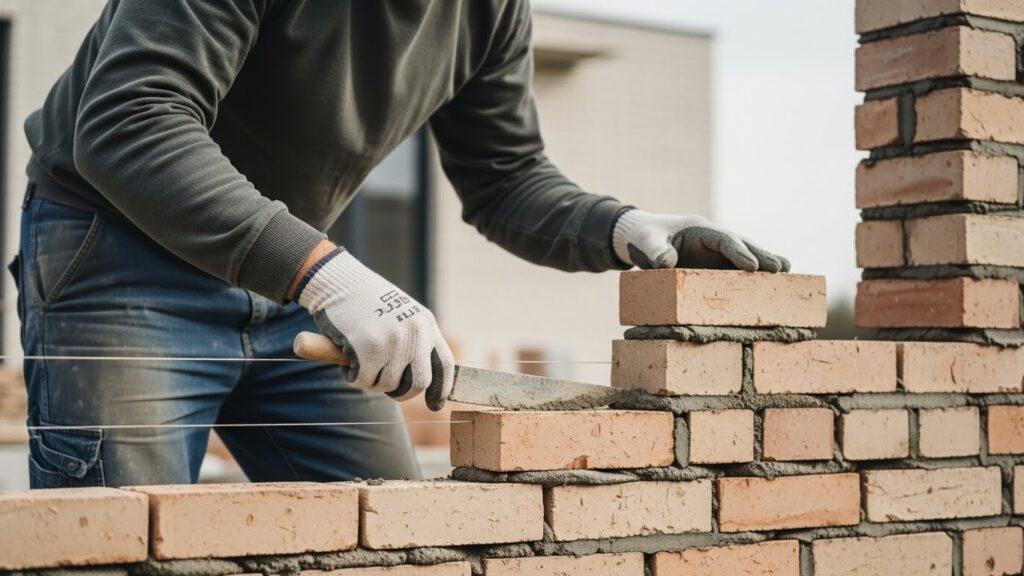
Why Labor Is the Biggest Cost in Masonry
Skilled masons charge more because their work requires years of training, precision, and expertise that prevents costly structural failures. Many homeowners feel surprised when they receive quotes for masonry projects and realize that labor makes up the largest portion of the bill. Some wonder why a contractor would charge so much just for the physical work when bricks and blocks seem affordable at the store.
Here’s the truth: masonry labor costs reflect real skill, not just time spent moving materials around. A professional mason brings knowledge that protects your home from structural problems that could cost thousands to fix later. This article focuses specifically on why labor rates are what they are, setting aside conversations about materials, permits, or equipment rentals.
Staten Island masonry contractors often field questions about pricing breakdowns. Understanding what goes into each hour of work helps homeowners see the value behind every dollar spent. If you want a broader look at overall expenses, check out why masonry work is so expensive to understand how materials and labor combine.
Masonry Is a Skilled Trade, Not General Labor
A mason isn’t just someone who stacks bricks. This work demands years of hands-on experience to master. Anyone can lay one brick on top of another, but creating a wall that stands strong for decades requires understanding load distribution, proper bonding patterns, and how different materials behave under stress.
Masons learn to read a building’s needs. They know when a wall requires steel reinforcement and how to create veneer that won’t separate from the structure behind it. They understand mortar chemistry and how temperature affects curing. These aren’t skills you pick up from a weekend YouTube video.
Every project tests a mason’s ability to solve problems on the spot. A chimney repair might reveal unexpected damage. A retaining wall might need adjustment because the ground composition differs from initial estimates. Professional masons handle these challenges because they’ve seen them before and know what works.
The difference between skilled masonry and general labor shows up immediately in the final product. Straight walls, level surfaces, and joints that shed water properly all come from practiced hands that understand the craft.
Training, Apprenticeships, and Real-World Experience
Most masons spend three to four years working as apprentices before they can handle complex projects independently. During this time, they work under experienced professionals who teach them techniques that can’t be learned from books alone. They practice mixing mortar to the right consistency, cutting blocks at precise angles, and building walls that meet code requirements.
This apprenticeship period separates real masons from handymen who dabble in concrete work. A handyman might know how to patch a small area, but a trained mason can evaluate structural integrity and plan a project from foundation to finish. The customer benefits from this depth of knowledge on every job.
Real-world experience teaches lessons that no classroom can provide. A mason learns how different types of stone behave, which products work best in specific applications, and how to spot potential problems before they become expensive failures. This accumulated wisdom directly affects the quality of work your home receives.
Precision Work Means Slower, More Careful Labor
Masonry cannot be rushed without sacrificing quality. Each brick must sit perfectly level. Each block needs proper alignment with the units around it. Mortar joints require specific thickness and tooling to function correctly. This careful attention takes time.
A skilled contractor knows that trying to speed through a project creates problems. Uneven surfaces lead to water pooling. Improperly set bricks can shift as mortar cures. Walls built too quickly might lack the strength needed to support loads above them.
The mason constantly checks measurements and makes tiny adjustments. They use levels, plumb lines, and string guides to ensure everything aligns correctly. They wait for mortar to reach the right state before tooling joints. They clean excess material before it hardens in place.
This methodical approach might seem slow compared to other construction trades, but it’s essential. The time spent on precision during installation prevents years of maintenance headaches for the homeowner.
One Mistake Can Ruin the Entire Structure
A single error in masonry work can compromise an entire wall or building. If the first course of bricks goes down crooked, every row above it will be off. If mortar mixes incorrectly, it might fail to bond properly, leading to separation and collapse. If structural steel placement gets overlooked, the wall might not handle lateral forces.
Fixing masonry mistakes costs far more than getting it right the first time. Removing failed work often damages surrounding areas. Matching existing materials becomes challenging. The repair process takes longer because the contractor must work carefully around what’s already in place.
Skilled labor prevents these expensive failures. An experienced mason catches potential problems during the planning stage. They know which building techniques work for different situations. They understand how walls interact with foundations, roofs, and other structural elements.
Homeowners who hire qualified professionals pay for this preventive expertise. The cost of labor includes the responsibility that comes with building something that must last and remain safe. A mason stakes their reputation on every project they complete.
Why Cheap Masonry Labor Fails Quickly
Hiring the cheapest contractor often leads to problems within months or even weeks. Low-cost labor usually means inexperienced workers who don’t understand proper techniques. They might skip important steps to finish faster. They could use incorrect mortar mixes or fail to prepare surfaces properly.
These shortcuts show up as cracking, uneven walls, and joints that crumble. Water seeps through poorly tooled mortar lines. Veneer separates from backing walls. Entire sections might lean or bulge as settling occurs.
Professional masons deliver work that maintains its quality year after year. Their walls shed water correctly. Their joints remain intact through freeze-thaw cycles. Their structures stay plumb and level because they built them right from the start.
The price difference between budget labor and skilled service seems large upfront, but it disappears when you factor in repair costs. A wall that needs rebuilding within five years costs more than hiring the right mason initially. Quality craftsmanship protects your investment.
Repair Work Requires Even Higher Skill Levels
Fixing existing masonry demands more expertise than building something new. The mason must first diagnose what went wrong. They need to determine how much material requires removal. They must match the existing work so repairs blend seamlessly.
This diagnostic process takes time and experience. A skilled contractor examines the entire area, not just the obvious damage. They look for underlying causes like water infiltration or settling foundations. They plan the repair to address root problems, not just surface symptoms.
Careful removal of damaged sections requires finesse. The mason must avoid disturbing sound masonry nearby. They need to cut or chip precisely to create clean edges for the repair. This delicate work takes longer than laying new bricks on a clean surface.
Matching techniques adds another layer of complexity. The repair mortar must match existing color and texture. Replacement bricks or stone need to blend with the original work. The new section must integrate structurally with the old. All of this requires advanced skills that justify higher labor rates.
Local Expertise Matters (Staten Island Focus)
Masons who regularly work in a specific area understand local conditions that affect their work. In Staten Island, contractors know which materials hold up best in the regional climate. They understand local building codes and inspection requirements. They have relationships with reliable suppliers who stock quality products.
This local expertise streamlines projects and prevents problems. A contractor familiar with the area knows which foundation types work best in local soil conditions. They anticipate seasonal challenges and plan accordingly. They can recommend solutions based on what they’ve seen succeed in similar homes nearby.
Homeowners benefit when their mason understands the community’s architectural styles and common construction methods. The contractor can spot issues specific to regional building practices. They know which repair approaches work for homes built during different eras.
How Professional Masonry Labor Saves Money Long-Term
Quality labor delivers structures that last decades with minimal maintenance. Properly built walls resist cracking, water damage, and settling. Well-laid bricks maintain their appearance and function year after year. The craftsmanship you pay for upfront protects your home’s value over time.
Professional work also performs better under stress. Walls built by skilled hands withstand storms, temperature swings, and the normal movement all buildings experience. The attention to detail that seems expensive during construction prevents the need for costly repairs later.
Customer satisfaction runs higher when projects meet expectations the first time. A mason who takes pride in their service creates work that looks good and functions properly. They stand behind their guarantee because they know their methods produce lasting results.
The long-term performance of masonry depends entirely on the quality of labor during installation. Cutting corners on contractor fees means accepting structures that won’t age gracefully. Investing in skilled service means enjoying beautiful, durable masonry for generations.
Conclusion: What You're Really Paying for in Masonry Labor
When you hire a professional masonry contractor, you’re paying for years of training, careful precision, and the responsibility of building structures that protect your home. Labor costs reflect the true value of expertise that prevents expensive failures. Every hour billed represents knowledge gained through countless projects and problems solved.
The difference between cheap labor and skilled craftsmanship becomes clear over time. Quality work maintains its strength, appearance, and function long after installation. Poor work creates ongoing headaches and mounting repair bills.
Understanding masonry labor costs helps homeowners make informed decisions about their projects. The price reflects what you’re actually getting: peace of mind, structural integrity, and craftsmanship that lasts. For more context on overall project expenses, visit why masonry work is so expensive to see how all cost factors combine.
Call to Action
Ready to discuss your masonry project with experienced professionals? Request an estimate to learn how skilled labor protects your investment. Our team brings years of experience and transparent pricing to every job, from new construction to complex repairs.
Our Service
How to Build a Paver Patio
How to Build a Paver Patio (What Most DIY Guides Don’t Tell You) Building a paver patio yourself is possible, but most DIY guides leave out the mistakes that end up costing homeowners thousands to fix later. If you’re thinking
Why Do Contractors Pronounce Masonry as Masonary?
Why Do Contractors Pronounce Masonry as Masonary? You’ve probably heard it before, a contractor says “masonary” instead of “masonry,” and you wonder if you’ve been saying it wrong your whole life. Here’s the truth: the correct pronunciation is “MAY-sun-ree,” not

Masonry Labor Costs Explained: Why Skilled Masons Charge More
Why Labor Is the Biggest Cost in Masonry Skilled masons charge more because their work requires years of training, precision, and expertise that prevents costly structural failures. Many homeowners feel surprised when they receive quotes for masonry projects and realize
Why Is Masonry Work So Expensive?
A real-world breakdown of what you’re actually paying for Introduction: The Price Shock Most Homeowners Don’t Expect You get the estimate back and your jaw drops—how can bricks and mortar possibly cost that much? Most homeowners expect masonry to be