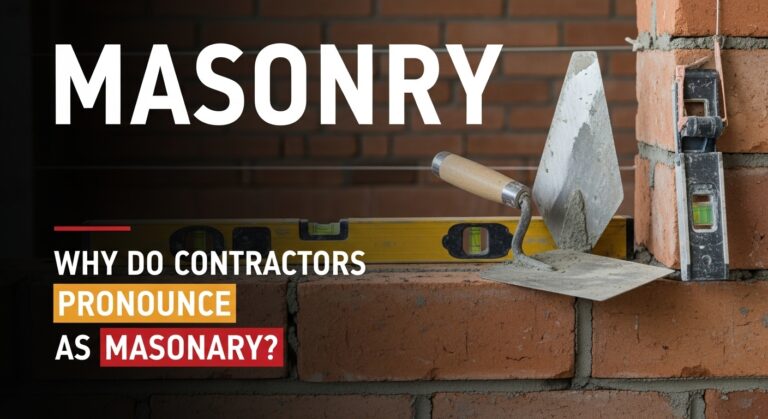
You’ve probably heard it before, a contractor says “masonary” instead of “masonry,” and you wonder if you’ve been saying it wrong your whole life. Here’s the truth: the correct pronunciation is “MAY-sun-ree,” not “MAY-sun-air-ee.” But don’t worry, you’re not alone in noticing this mix-up.
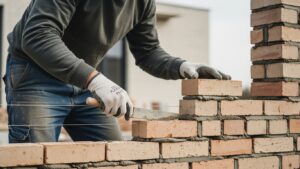
Masonry refers to the craft of building structures using materials like brick, stone, concrete blocks, or natural stone. It’s one of the oldest construction techniques in the world. The people who do this work are called masons, and they need great skill to create everything from your backyard patio to the foundation of your home. If you’re wondering what makes someone qualified to do this work, a licensed masonry contractor has the training, insurance, and credentials to handle these projects safely and legally.
Why This Mispronunciation Happens So Often
Walk onto any construction site, and you’ll hear all kinds of words get twisted around. Masonry isn’t the only victim here.
Part of the problem is how the word looks on paper. When you see “masonry” written down, your brain might automatically want to add an extra syllable. It happens with lots of words. Think about how people say “nuc-u-lar” instead of “nuclear” or “feb-u-ary” instead of “February.”
Construction has its own language, too. Contractors throw around terms like “rebar,” “flashing,” and “efflorescence” all day long. When you’re focused on getting a job done right, perfect pronunciation sometimes takes a backseat to clear communication with your crew.
Where This Mispronunciation Comes From
Regional Accents Shape How We Talk
If you’ve ever traveled across the country, you know how much accents vary. Someone from Boston doesn’t sound like someone from Texas, and neither sounds like someone from New York.
These regional differences affect how people pronounce construction terms. In some areas, adding that extra syllable to “masonry” just sounds more natural based on local speech patterns. It’s not that contractors don’t know the right way; it’s that their natural way of speaking influences how words come out.
The Word Has Ancient Roots
“Masonry” comes from old French and Latin words related to building and stonework. Over centuries, as the word traveled through different languages and regions, people adapted it to fit their way of speaking.
Sometimes when a word has been around that long, you end up with multiple versions floating around. Some stick, some don’t. The “masonary” pronunciation probably emerged from people trying to make the word fit more familiar speech patterns.
Construction Jargon Gets Complicated
Let’s be honest, construction terminology can be a mouthful. You’ve got words borrowed from French, Latin, German, and who knows where else. Half the time, even experienced contractors have to stop and think about how to say something correctly.
When you’re learning the trade, you pick up words by hearing other people say them on job sites. If your mentor or coworkers say “masonary,” that’s probably what you’ll say too. It becomes habit.
Does This Actually Matter?
Here’s where things get real. Does saying “masonary” instead of “masonry” affect a contractor’s ability to build a solid wall? Probably not.
But here’s what it might affect: how clients see you.
When homeowners are interviewing contractors for a big project, they’re looking for signs of professionalism. They want someone who knows their stuff, communicates clearly, and pays attention to details. Using proper terminology, including correct pronunciation, sends a signal that you’re serious about your craft.
Think about it from a homeowner’s perspective. If you’re investing thousands of dollars into a project, you want confidence that the person doing the work is an expert. Little things like proper terminology add up to create that impression.
On the flip side, getting hung up on pronunciation alone isn’t fair either. Some of the best masons I’ve met have thick accents or regional dialects that shape how they talk. What matters more is their skill, experience, and dedication to safety.
Why Getting the Language Right Actually Helps
Construction isn’t just about making things look nice. It’s about creating structures that keep people safe.
When contractors use precise language, it reduces confusion. On a job site, clear communication prevents mistakes. Mistakes in masonry can lead to serious problems, walls that crack, water that seeps through, or structures that fail over time.
Professional terminology matters even more when you’re dealing with building codes, permits, and inspections. Officials expect contractors to understand and use the right terms. It shows you know what you’re doing and that you take regulations seriously.
This is exactly why hiring a licensed masonry contractor makes such a difference. Licensed professionals have formal training that covers not just the physical skills but also the technical language and safety standards that protect everyone involved.
The Staten Island Factor
Every region has its own quirks when it comes to construction and language. If you live in Staten Island, you know the local accent is strong and distinctive.
Contractors working in masonry Staten Island face unique challenges. They need to communicate with clients who might have different expectations about how things should be said and done. They also need to work with local building departments that have specific requirements.
The good news? The best contractors in any region know how to adapt. They understand their local market, they know the codes, and they deliver quality work regardless of how they pronounce individual words.
What matters most is finding someone who’s licensed, insured, and experienced with the specific type of project you need. Whether it’s repairing a chimney, building a retaining wall, or laying a new patio, the right contractor will get it done safely and correctly.
Health and Safety: The Real Bottom Line
Let’s talk about why masonry work needs to be done right, regardless of pronunciation.
Poor masonry creates real health hazards. When bricks aren’t laid properly, water can get through. That water leads to mold, which causes respiratory problems, allergies, and other health issues. Nobody wants that in their home.
Structural problems from bad masonry can be even worse. Walls that aren’t built to code can collapse. Chimneys that aren’t constructed properly can allow carbon monoxide into your house. These aren’t small issues; they’re life-threatening situations.
This is why professional masonry work isn’t optional for certain projects. You need someone who understands building science, drainage, structural support, and all the technical details that keep buildings safe and healthy.
A skilled mason knows that every brick, every mortar joint, and every structural element plays a role in the overall integrity of what they’re building. They follow codes because those codes exist to protect people.
Finding the Right Professional
When you’re looking for someone to handle masonry work, pronunciation honestly shouldn’t be your top concern.
Instead, focus on credentials. Make sure they’re licensed in your state. Check that they carry proper insurance. Ask for references and look at photos of completed projects.
Talk to them about your specific needs. A good contractor will ask questions, explain their process, and give you a clear estimate. They’ll tell you about potential challenges and how they plan to address them.
Pay attention to how they communicate overall. Do they listen to your concerns? Do they explain things in ways you can understand? Do they seem knowledgeable and confident about the work?
These factors matter way more than whether they say “masonry” or “masonary.” You want someone who’s going to show up, do excellent work, and stand behind what they build.
Wrapping It Up
So why do contractors say “masonary”? A mix of regional accents, industry habits, and the natural way language evolves over time. It’s not a sign of ignorance; it’s just how language works in the real world.
What really counts is finding professionals who take their work seriously, follow safety standards, and deliver quality results. The right pronunciation is nice, but the right craftsmanship is essential.
If you’re planning a masonry project, look for contractors who are licensed, experienced, and dedicated to doing things the right way. Ask questions, check credentials, and trust your instincts about who you’re hiring.
Looking for a licensed masonry contractor in Staten Island? Choose someone who prioritizes professionalism, quality, and your family’s safety. The right contractor will build something that lasts, and keep your home healthy and secure for years to come.